Museum
> Description
| Rooms | The Museum's Purpose
| Temporary Exhibitions | Address |
 |
|
|
|
| The Museum's Purpose |
|
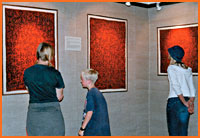
Giving traditional textiles the status of art
The
Museum exhibits the artistic craftsmanship of the indigenous
communities as works of indigenous art. Traditional textiles once
considered only as picturesque traditional pieces are now admired for
their extraordinary significance as emerging objects of new thoughts
and creativity that have reached a level of high aesthetic
beauty. |
|
|
|
| |
Spreading information about traditional cultures
The
museum exhibits the traditional textile’s creative process throughout
time, highlighting its contents expressed through form, color, and
figurative expression. |
It
communicates detailed, serious information, but in a non-technical
communicative style with the intent of creating a curiosity about
different world visions.
|
|
|
| |
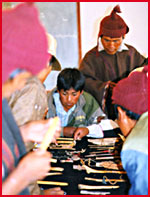
The
museum encourages the direct participation of the indigenous
communities in many aspects exhibit design and accompanying information
Before preparing a new exhibit,
the idea is planted within the indigenous communities. Together
topics are considered such as new display orientation, the contents to
be highlighted, as well as the objects to be exhibited. The
contributors are the indigenous people themselves that collaborated on
the project during the investigative process and the recovery of the
objects to be exhibited. |
|
| |
|
| |
| A living museum
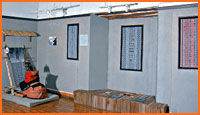
The
museum evokes a human presence through its collection of mannequins
with traditional dress and regional dance costumes, and also through
its many photographs and videos that provide examples of the ritual
dances and music from each region. The greatest impact, however,
for those that are visiting from other parts of the world, is the
presence within the museum of indigenous weavers in the Weaver’s
Gallery that continuously demonstrate their technical skill and design
process while conversing with visitors and allowing them to take a
souvenir photo. |
 |
| |
|
| |
The museum is a center of ethnological information No
other museum in southern Bolivia has assembled as much information
related to traditional textiles, regional cultures and their cultural
expressions as the Museum of Indigenous Art. Being a textile and
cultural reference resource for the southern Andres visitors have the
opportunity to come into close contact with local cultures, with
ethnicity, and information concerning textiles.
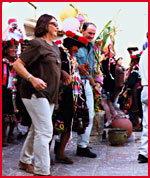
The
museum sells publications and brochures on anthropological and
traditional culture subjects. It spreads its knowledge to the
larger surrounding community, and it facilitates contact with dancers
and musicians for different cultural festivities. With the support of
ASUR there is now a consistent indigenous presence in diverse events.
|
 The
museum organizes lecture circles and conferences on anthropological and
ethno-development related subjects. Recognized as a reliable
source of information the museum is often invited to participate in
many debates and discussions dealing with culture issues. The
museum organizes lecture circles and conferences on anthropological and
ethno-development related subjects. Recognized as a reliable
source of information the museum is often invited to participate in
many debates and discussions dealing with culture issues. |
| |
|
| |
| The
museum is a marketing tool for the promotion and sale of the textiles
produced by the Indigenous Art Renaissance Program weavers
Today,
the commercialization of the textiles, produced by the weavers
participating in the Indigenous Art Renaissance Program, benefits from
the enthusiasm generated by the museum in its visitors. The museum is
the most effective way to promote the artistic craftsmanship of the
weavers providing a source of very important additional income for the
weavers. |
The
marketing of traditional textiles allows for a consistent source of
income for impoverished and isolated indigenous communities that,
because of the characteristics of the land, are not able to generate
dependable income. |
| |
| home
| asur | museum
| shop | textiles
| contact |